
Daily routines build responsible children long before formal chore charts or parenting programmes ever enter the picture. Picture this: It’s 7:15 on a Monday morning, nine-year-old Noah has been awake for twenty minutes. He made his bed without being asked. His school bag is packed and sitting by the front door. He is eating breakfast while reviewing his reading assignment.
Two streets away, eleven-year-old Sophie is still in bed. Her mother has called her three times. The school bag from Friday sits unpacked in the hallway. Homework? Somewhere, probably. The morning will end in frustration for everyone involved.
Both children are bright, attend good schools, and have loving, attentive parents. The difference between their mornings has nothing to do with intelligence or parental effort. It has everything to do with the small, consistent habits each child has been allowed, or encouraged, to develop over time.
Why Daily Routines Build Responsible Children Better Than Chores Alone
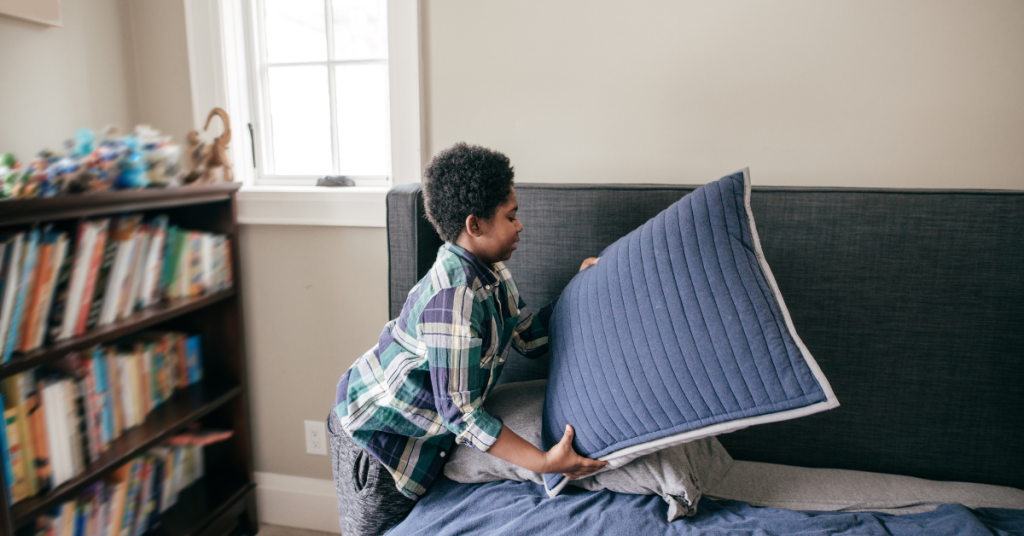
Most parents associate responsibility with chores. Take out the rubbish. Wash the dishes. Tidy your room. These tasks have genuine value. However, they represent only one narrow expression of responsibility, and they often require adult enforcement to happen at all.
True responsibility runs deeper. It is the internal habit of owning your time, your commitments, and your environment, without waiting to be told. That habit grows from the dozens of small decisions a child makes every single day, long before any formal task is assigned.
Waking up independently builds self-governance. Getting dressed without prompting builds initiative. Packing a school bag the night before builds planning. None of these feels like responsibility lessons, yet each one deposits a small but durable habit into a child’s developing character.
Why Morning Routines Are the Most Powerful Classroom You Own
The morning routine is the first test your child faces every single day. It demands time awareness, task sequencing, and personal accountability, all before 8 am. A child who navigates that sequence independently is practising sophisticated executive function skills that most formal education programmes don’t address until secondary school.
Start by building one anchor habit into your child’s morning. Choose something small and specific. Perhaps your seven-year-old makes her bed immediately after waking. Or your ten-year-old packs his bag the evening before. Establish the habit clearly and hold the standard consistently. Resist the urge to complete the task for them when they forget. Natural consequences like a forgotten PE kit or a rushed breakfast teach far more efficiently than reminders ever will.
How Homework Routines Help Daily Routines Build Responsible Children
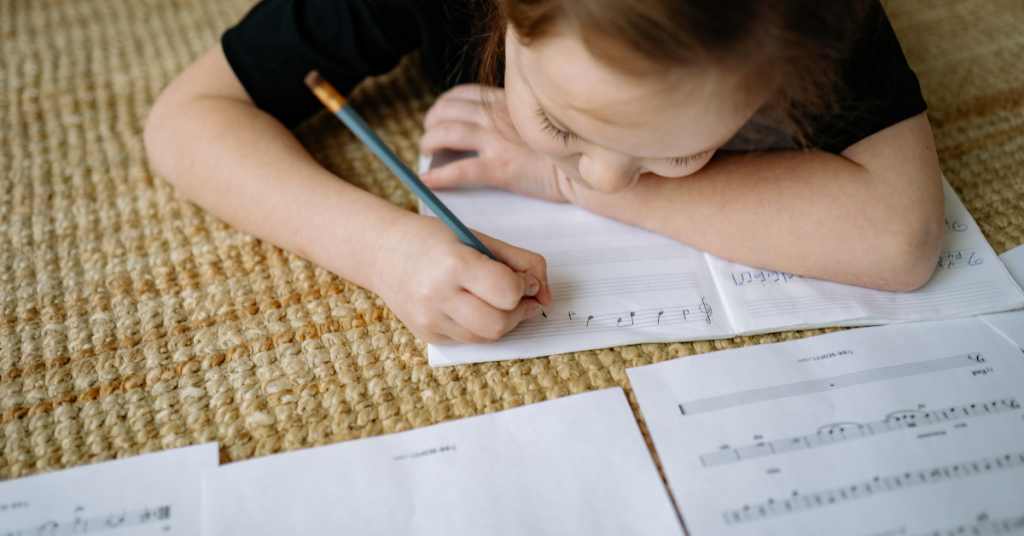
Homework carries a reputation as an academic exercise. In reality, it is one of the most powerful responsibility-building tools available to parents.
When a child sits down to complete homework at a consistent time each day, they are practising far more than subject knowledge. They are practising time management, task initiation (the ability to begin a difficult thing without external pressure), and follow-through (the discipline to complete what they started, even when distraction calls).
Building a Homework Habit That Sticks
Establish a fixed homework window each day, a firm, predictable slot. For most children, thirty to sixty minutes after school works well. Ensure the environment supports focus: a clear desk, minimal noise, no screens nearby.
Moreover, resist the urge to sit beside your child throughout. Check in at the start and review at the end. The middle belongs entirely to them. A child who completes homework independently, even imperfectly, builds far more confidence and discipline than a child who completes it perfectly with constant parental guidance.
Read also: Raising a Digitally Responsible Child: What Every Parent Must Do
Small Daily Tasks Help Daily Routines Build Responsible Children for Life
Why Organising Their Own Space Changes Everything
A child’s study space is their first personal environment to manage independently. Teach your child to clear their desk before sitting down to work. Show them how to organise their materials, books, stationery, and assignments into a consistent system, then step back and let them maintain it.
This single habit builds spatial awareness, personal discipline, and environmental ownership simultaneously. A child who takes pride in their organised space gradually extends that pride to their schoolwork, their commitments, and eventually their professional life.
Preparing for Tomorrow Builds the Habit of Thinking Ahead
Introduce one powerful evening routine: preparing for the next day before bed. Bag packed, uniform ready, and any materials needed for the morning are in their designated place. This habit quietly teaches children to think beyond the present moment; to consider future obligations and plan for them deliberately.
That forward-thinking habit, practised consistently from age seven, produces teenagers who meet deadlines without panic and adults who honour their commitments without external pressure. It is one of the most transferable life skills a parent can cultivate, and it costs nothing but consistency.
The Child You Shape in Small Moments Becomes the Adult Who Stands Out

Noah’s mornings didn’t happen by accident. His parents made a deliberate decision two years ago that prepared him for this. They stopped managing his morning for him, established clear routines, held firm expectations, and allowed natural consequences to do their work. Within three months, Noah owned his mornings completely.
That ownership will follow him into every classroom, workplace, and relationship he ever enters.
Start tonight, choose one routine (morning preparation, homework time, or evening organisation) and build it deliberately with your child this week. Small habits compounded consistently produce extraordinary people.
At EdSofta Academy, children aged 7 to 13 develop discipline, creative problem-solving, and digital skills through structured coding programmes that reinforce exactly these habits of independent thinking and personal accountability. Enrol your child today and give them an environment where responsibility grows naturally, one project, one session, one small habit at a time.