
These lessons, which every teacher must extract from UTME 2026, we believe, could completely transform how Nigerian classrooms prepare students for high-stakes exams. Consider Mrs Amadi, a dedicated chemistry teacher in Port Harcourt. Her student Chidi was exceptional. He aced every theory test and confidently answered every classroom question. Yet his official UTME result told a completely different story.
Chidi later explained what happened. The onscreen countdown timer turned red, this made his heart freeze on the first ten questions. He rushed blindly through the remaining thirty. His knowledge was never the problem; the preparation was.
Chidi’s experience was not unique. According to JAMB’s 2026 post-examination report, a significant percentage of candidates who scored above average on mock assessments recorded notably lower scores on the official CBT examination. The gap between classroom performance and exam-hall execution has never been wider. These three lessons close that gap permanently.
Lesson One: Time Management is a Teachable Skill
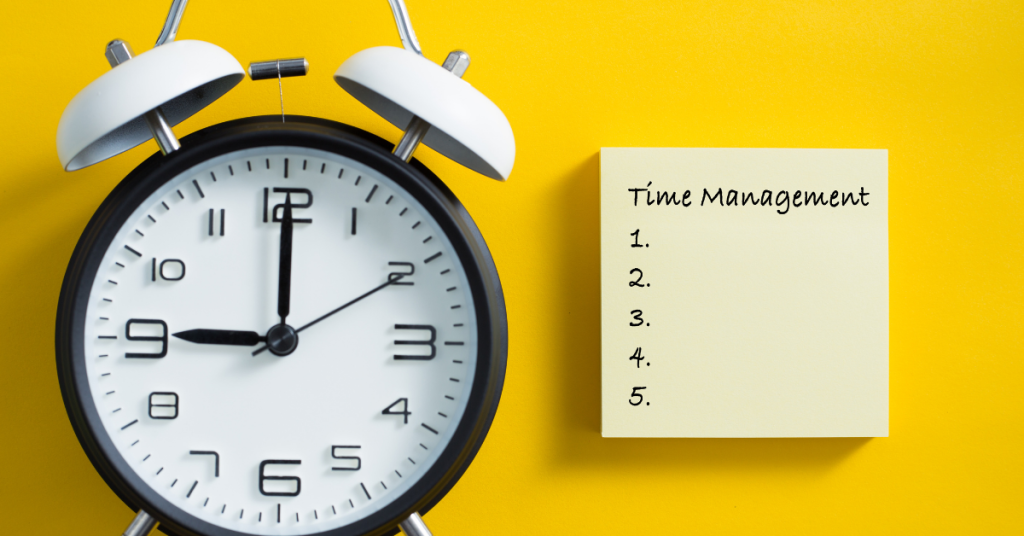
Most teachers treat time management as a personal responsibility. They assume students will figure it out independently. UTME 2026 proved that assumption dangerously wrong.
Across multiple subjects, students demonstrated clear content knowledge in the early sections of their papers. Performance dropped sharply in the final third. This pattern consistently points to one cause: candidates ran out of time, not knowledge. A student who knows the answer but cannot reach it in time scores zero. That zero looks identical to ignorance on a results sheet; however, it is not.
Introducing Timed Drills Into Weekly Lessons
Start treating time as a subject in its own right. Every week, run at least two timed practice exercises in your class. Set a visible countdown, make the pressure deliberate and consistent and give students ten questions and exactly eight minutes. Then review not just what they got wrong, but how they allocated their time across questions.
Teaching Strategic Question Sequencing
Train students to scan their full paper before answering a single question. Teach them to attempt confident answers first, flag difficult questions and return to them later. This single strategy recovers an average of twelve to fifteen minutes per paper, time that transforms borderline scores into comfortable passes.
Research from the Nigerian Educational Research and Development Council confirms that students trained in structured time strategies outperform untrained peers by an average of 23 points in standardised computer-based tests. That margin represents the difference between admission and another year of waiting.
Lesson Two: Question Interpretation is a Core Academic Skill
The second major pattern from UTME 2026 was equally revealing: many students failed because they misread the question entirely.
JAMB examiners deliberately embed qualifiers into questions. Words like “except,” “always,” “not,” “most likely,” and “primarily” completely change what a question demands. A student who reads quickly and answers on instinct will miss these signals consistently, while a student trained to read deliberately will catch them every time.
Teaching Critical Reading Across Every Subject
Critical reading is not exclusively a Literature or English Language skill; every subject demands it. A Biology question that asks for the “least likely” function of an organelle requires the same careful reading as a comprehension passage. Build deliberate reading practice into every lesson, regardless of subject area.
Present questions that require students to analyse, compare, and evaluate rather than simply recall. Ask: “What is the examiner actually testing here?” Make that question a classroom habit. Students who internalise that habit approach every exam paper differently.
Mastering Qualifier Words and Examiner Patterns
Dedicate one lesson per term specifically to question anatomy. Show students how JAMB constructs distractor options, highlight recurring question patterns across past papers from 2019 to 2026 and teach students to underline qualifying words before reading the answer options. This disciplined approach eliminates the careless errors that cost even brilliant students five to ten marks per sitting.
Lesson Three: Digital Literacy is Now an Examination Requirement

The third lesson from UTME 2026 is the one most Nigerian schools are still ignoring. Screen anxiety is real, measurable, and entirely preventable.
Many students who sat the 2026 examination encountered the CBT interface with limited prior experience. They lost precious minutes navigating the platform. Some accidentally skipped questions, while others could not locate the flag function. A few submitted before completing their papers simply because they misunderstood the interface. None of those losses had anything to do with academic knowledge.
Read more here: CBT Anxiety Crisis: Why Brilliant Students Fail JAMB
Integrating CBT Practice Into Daily Classroom Activity
Stop reserving screen-based learning for ICT periods exclusively. Use digital tools across all subjects, all week. Present assignments on screens. Run assessments through CBT platforms. Make the digital environment as familiar as a notebook.
The EdSofta UTME App gives teachers a ready-made solution for this challenge. It simulates the exact JAMB CBT interface, tracks individual student performance by topic, and generates diagnostic reports that identify speed and accuracy gaps before they become exam-day disasters. Students who practise on it weekly enter the exam hall with one significant advantage: the interface holds no surprises.
Measuring and Monitoring Digital Confidence
Track more than scores. After every CBT drill, ask students three questions: Did you finish in time? Did you navigate comfortably? Was the screen distracting to you? Those three questions reveal digital anxiety before it becomes a crisis. Students who flag discomfort early can receive targeted intervention in weeks, not after results day.
Your Action Plan: Three Steps Before Next Term Ends
These lessons mean nothing without immediate implementation. Execute these three steps before your next exam cycle begins.
Audit Your Current Practice Methods. Review every assessment you administered this term. Count how many were timed, and how many were screen-based. If the answer to either question is fewer than four, your students are underprepared for CBT conditions, regardless of their content knowledge.
Run a Question Interpretation Workshop. Dedicate one full lesson to past UTME questions from 2023 to 2026. Focus exclusively on how questions are constructed. Do not discuss answers; rather, discuss what each question is actually asking. That single session will shift how your students read every future paper.
Simulate Exam Day Monthly. Once per month, run a full-time CBT simulation using realistic exam conditions. No notes or pauses. Countdown visible throughout, debrief immediately afterwards, and review time usage, question sequencing, and interface navigation as a class. Monthly simulation builds the exam composure that weekly drills alone cannot.
The Teachers Who Act Now Will Win in 2027

Nigerian education is shifting irreversibly toward digital, competency-based assessment. The 2026 UTME results confirmed what forward-thinking educators already suspected: content knowledge is necessary but no longer sufficient. Students need strategic, digitally confident, critically sharp exam skills to compete.
This will also help: How Early UTME Preparation Separates Top-Scoring Students
Chidi deserved his admission. His knowledge earned it, but his preparation failed to deliver it. The teachers who absorb these three lessons will ensure their version of Chidi walks out of the exam hall in 2027 with a result that finally matches his ability.
Download the EdSofta UTME App today and give every student in your classroom the preparation they actually deserve.
One Response