Year-End Appraisal for Kids: Why This Simple Habit Matters
The power of a year-end appraisal for kids lies in helping you finally pause and see your child clearly. The truth is, childhood moves fast. One moment, they’re learning to read; the next, they’re teaching you how to use a new app. Yet, in the rush of school runs, homework, and after-school activities, it becomes easy to miss the quiet but meaningful ways your child has grown.
That is why the power of a year-end appraisal for kids is so valuable. It gives parents a structured, reflective moment to slow down and observe the changes that happen throughout the year, changes in confidence, curiosity, communication, discipline, and even how your child solves everyday problems. When you take a moment to look back intentionally, you realise: your child has grown in more ways than you think.
This simple exercise does more than highlight growth; it also reveals what to keep, what to strengthen, and what to adjust as the new year approaches.
Shows What’s Working
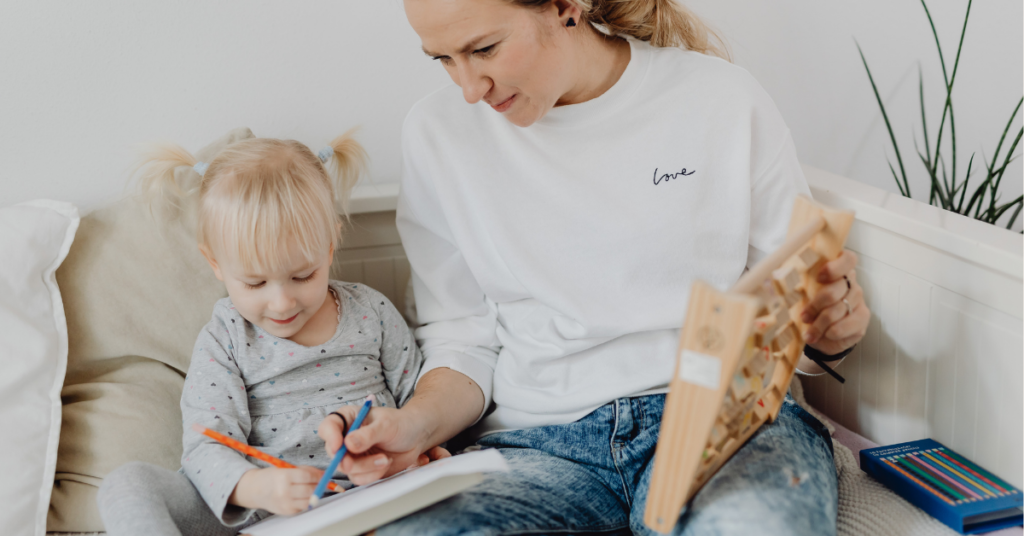
One of the biggest advantages of doing an end-of-year review is clarity. A simple appraisal helps you see the habits, behaviours, and learning patterns that are already helping your child thrive.
For example, maybe you notice that your child’s confidence improved dramatically this year. What triggered it?
- Was it joining a coding class where they built their first game?
- Was it reading more frequently and expressing themselves better?
- Was it being given small responsibilities at home that made them feel capable?
These little observations help you understand what to continue doing. When you know what’s working, you can strengthen it, whether it’s a routine, a teaching method, or an activity they enjoy.
And more importantly, you get to celebrate your child genuinely, based on real progress they may not even notice in themselves.
Makes Growth Intentional
Every child develops differently. Some children flourish academically but struggle with communication. Others are wonderfully creative but lack consistency. Some have strong discipline but need help with confidence.
A year-end appraisal highlights these areas gently and without judgment.
Let’s say you notice:
- Your child starts assignments well but rarely completes them.
- They learn quickly but get easily distracted.
- They speak well but struggle to listen or wait for their turn.
- They’re imaginative but fear making mistakes.
Give Your Child the Best Learning Experience!
Register your kid now on EdSofta and watch them thrive in an interactive learning environment!
👉 Click Here to Register Your Kid Now!
Without reflection, these patterns may pass unnoticed. But with a year-end review, you can identify where your child needs support early before it becomes a bigger challenge in the new year.
This approach removes guesswork. You are no longer hoping your child will “improve somehow.” Instead, you can guide them intentionally with small, steady steps.
Makes Planning Easier
After looking at what worked and where support is needed, the next step is simple: plan the year ahead with clarity.
For example:
- If your child struggles with focus, you may introduce short, structured study times.
- If they showed interest in storytelling or coding, you can enrol them in a creative tech class to build that skill.
- If they lacked confidence socially, you could choose group activities or clubs for next year.
- If discipline was an issue, you can work together to create clearer routines and reward systems.
A year-end appraisal is not about pointing out weaknesses. It’s about understanding your child deeply enough to guide them better. When you know your child’s strengths, tendencies, fears, and motivations, you become a more intentional parent and they become a more confident learner.
Give Your Child the Best Learning Experience!
Register your kid now on EdSofta and watch them thrive in an interactive learning environment!
👉 Click Here to Register Your Kid Now!
How to Do It at Home
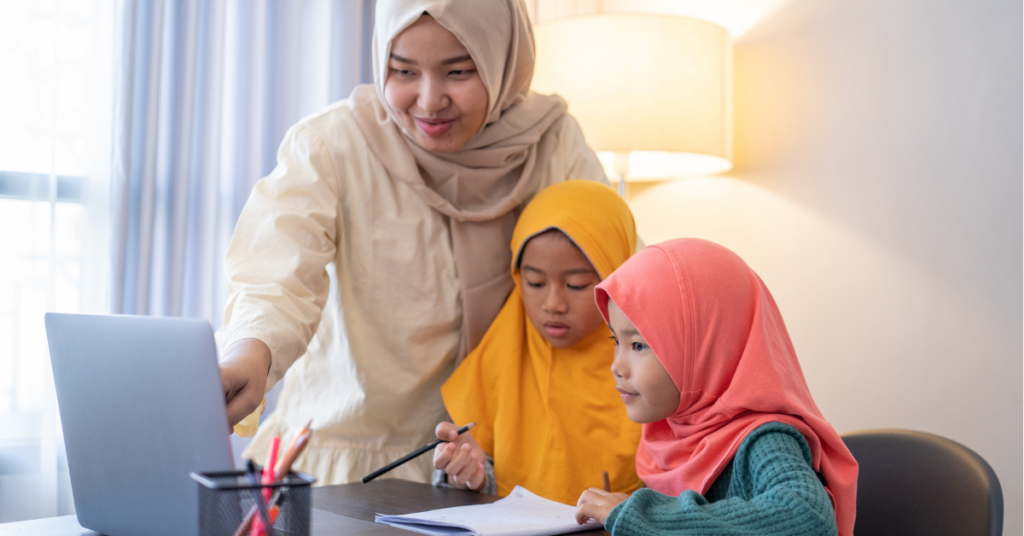
You don’t need a long checklist or complicated form. A short, meaningful conversation works perfectly for ages 7–13.
Try these questions:
- What are you proud of this year?
- What did you learn that surprised you?
- What was hard for you, and how did you handle it?
- What did you enjoy the most?
- What do you want to try next year?
Then, share your own observations:
- “I noticed you communicate more clearly now.”
- “You showed resilience when math became difficult.”
- “You’ve become more responsible with your chores.”
These simple reflections help your child see themselves as capable learners who improve over time, not overnight.
Conclusion: A Year-End Appraisal Builds Better Futures
At the end of the day, the power of a year-end appraisal for kids is about celebrating growth, understanding needs, and guiding them with confidence into the new year. When you reflect intentionally, you become a stronger partner in your child’s development. And your child learns that growth is something to embrace, not fear.
2026 is around the corner. Start the journey with clarity, intention, and wisdom, one reflection at a time.
Give Your Child the Best Learning Experience!
Register your kid now on EdSofta and watch them thrive in an interactive learning environment!
👉 Click Here to Register Your Kid Now!