Safety awareness for kids is one of the most important life skills you can teach your child, and surprisingly, it doesn’t have to be scary or overwhelming. In fact, when you introduce safety as a normal, fun, everyday topic, your child becomes more confident and capable of recognising when something feels “off” and responding calmly.
As parents, it’s natural to want to protect our children by warning them about “stranger danger.” But before we frighten them with all the worst-case scenarios, there’s something even more powerful we can teach: awareness. Awareness helps your child notice their surroundings, trust their instincts, and make smart decisions, without living in fear. And the good news? Kids can learn this skill through simple, everyday conversations.
Safety Awareness: Why Confidence Matters More Than Fear
Children thrive when they understand why something is important rather than being told, “Just be careful.” Personal safety is about raising confident children, not anxious ones. Awareness teaches your child to recognise when something feels uncomfortable and know exactly what to do about it.
Imagine this: Your 9-year-old is at a friend’s house, and another adult asks them to come into a room alone. A fearful child freezes. But a confident, aware child thinks, “This feels strange,” and knows how to respond: step away, call for help, or find a trusted adult.
This is what safety awareness builds: a child who listens to their inner alarm system.
It Starts With Awareness: Teaching Kids to Notice Their World
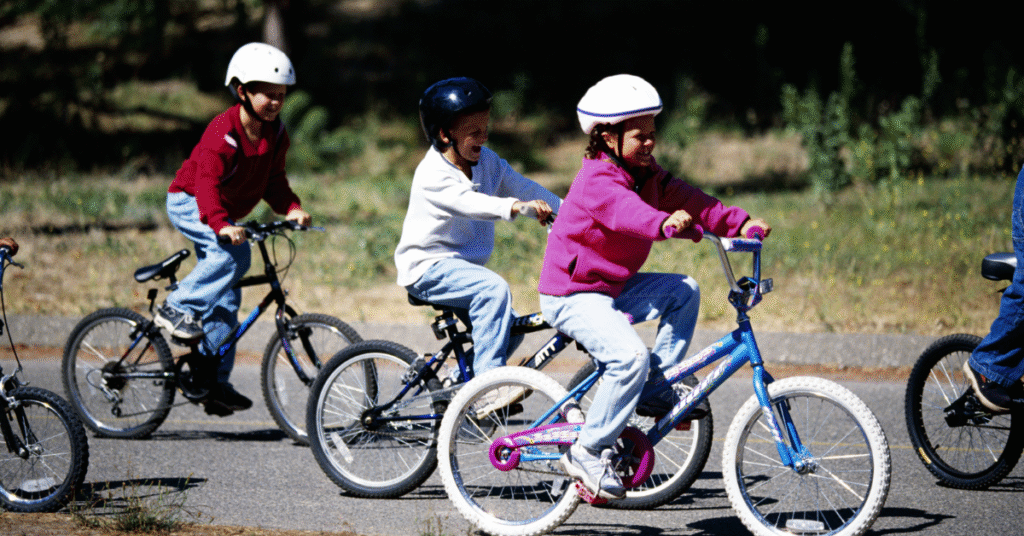
Safety awareness for kids begins with helping them pay attention, not in a strict way, but through curiosity.
Kids can’t avoid what they don’t notice. So start small:
- Who’s around them?
- What is happening?
- How does the situation feel?
A simple question like “Does this feel safe or strange?” becomes a powerful habit. Over time, it strengthens their ability to detect early warning signs.
For example, if your child is at a playground and someone keeps staring, standing too close, or insisting on helping them, that inner alarm should ring. Awareness helps them recognise the difference between a friendly presence and a concerning one.
Safe vs. Unsafe Situations: Real Examples Kids Remember
Kids learn best through examples.
Here are easy, memorable contrasts:
- Safe: Playing at home with familiar people.
- Unsafe: An adult asking them to keep a secret or go somewhere alone.
- Safe: Walking with friends after school.
- Unsafe: A car slowing down beside them, and someone calling them over.
- Safe: Asking a shop attendant for help when lost.
- Unsafe: Following a stranger who says, “Your mum asked me to pick you up.”
Parents, keep it simple and real. Examples stick better than rules.
Small Talks, Big Protection: Everyday Moments Matter
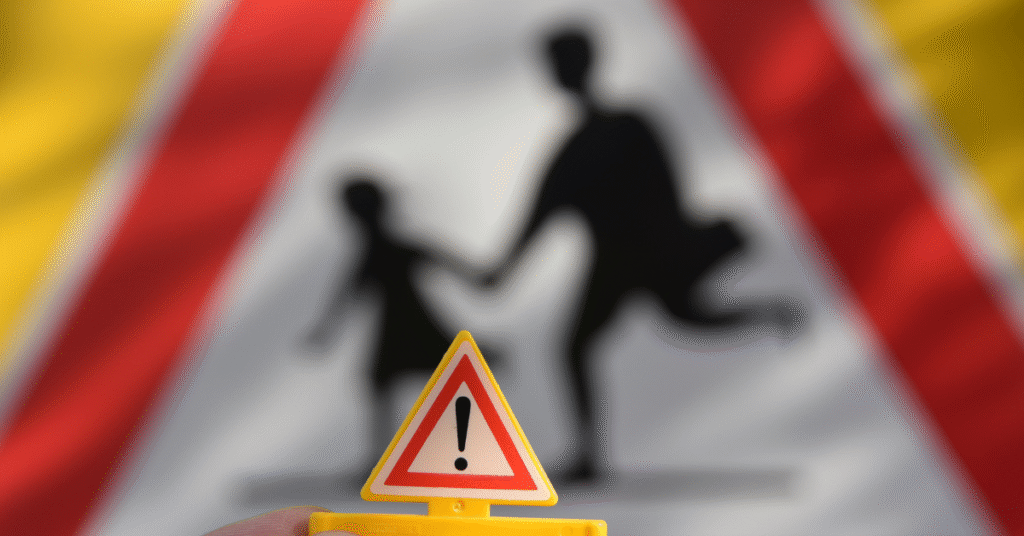
One of the easiest ways to teach safety awareness for kids is through natural, everyday conversations.
Try these moments:
- Walking to school: “Who do you think is a safe adult to ask for help?”
- Watching a movie: “Was that character paying attention to danger signs?”
- Bedtime chats: “What was one moment today that felt a little uncomfortable?”
These tiny conversations build strong instincts. Strong awareness today creates confident, alert kids tomorrow.
Outdoor Safety Basics for Kids: Staying Smart, Safe & Alert
When kids step outside, curiosity often leads the way, and that’s wonderful. But outdoor spaces come with new risks, and awareness becomes their first shield.
The outdoors is fun… until it isn’t. From crossing the road to recognising unsafe situations, kids need tools that help them enjoy freedom without losing caution.
Street Safety Basics: Simple Habits That Save Lives
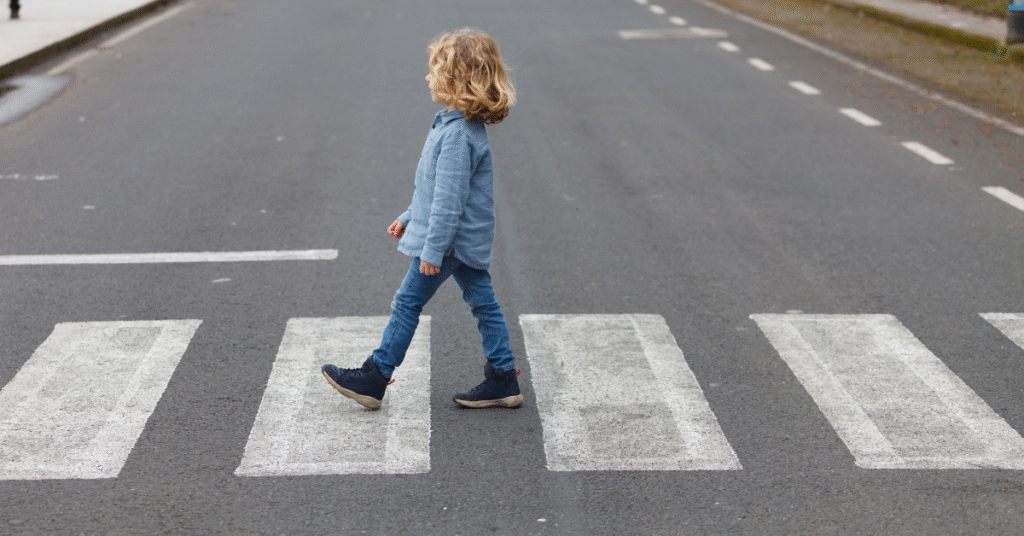
Here’s where safety awareness for kids really shows its power. Most outdoor incidents happen because children act on excitement instead of attention.
Teach your child to:
1. Stop, Look, Listen, Think
This classic rule remains one of the strongest safety habits a child can learn. Turn it into a game and watch how fast they remember it.
2. Use the Sidewalk Every Time
Not the road, the edge or “just this once.”
3. Cross Only at Zebra Crossings
Even if the road looks empty, teach them to respect the process, not shortcuts.
4. Never Run Across the Road
Not even if the ice cream truck is leaving. One steady habit prevents ten risky moments.
Stranger & Environment Awareness: Polite Caution, Not Fear
Not every smiling face is safe, and that’s a lesson every child should learn without fear.
Teach them: “No adult should ask a child for help.” This rule alone protects kids from many unsafe situations.
Also, help them learn about unsafe environments:
- Empty alleys
- Dark corners
- Isolated playgrounds
- Crowded marketplaces where they can easily disappear
Awareness builds smart decision-making.
What To Do If They Get Separated: Staying Calm Saves Time

This situation terrifies parents, but kids can stay safe with a clear plan.
Teach them to:
- Stay where they are (don’t run around)
- Look for a safe adult-a uniformed worker, shop staff, or security
- Call out your name loudly
- Know your phone number
This single skill has saved countless parents from panic.
Final Thoughts: Safety Awareness Builds Strong, Confident Kids
Teaching safety awareness for kids doesn’t mean scaring them; it means strengthening them. Through everyday conversations, real-life examples, and simple habits, you help your child grow into someone who can navigate the world with confidence and clarity.