
Problem-solving is the most essential “soft skill” your child can acquire in an era dominated by rapid technological change. Imagine a typical Saturday morning in a household in Toronto, London, or New York. Your ten-year-old hunches over a tablet, frustrated because the character in their favourite game keeps falling into a pit. In the past, they might have thrown the device down in a huff or asked you to “just fix it.” However, what if that moment of frustration became a masterclass in critical thinking?
With the 5-step problem-solving framework for kids, you shift your child’s mindset from that of a frustrated consumer to a methodical creator.
Whether they are navigating social dynamics at school in the UK or tackling a complex coding project in a Canadian enrichment program, these five steps provide a universal roadmap for success.
As parents, our goal is no longer just to provide answers, but to provide a process, a mental toolkit that allows them to look at any challenge and say, “I can figure this out.”
Phase 1: Identify and Brainstorm—The Seeds of Innovation
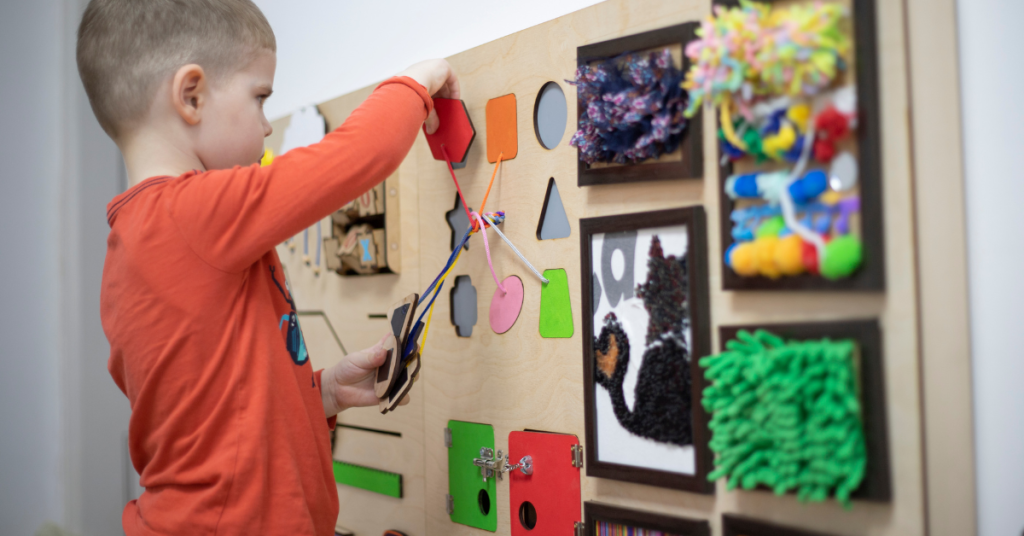
The first step in the 5-step problem-solving framework for kids is to identify. This sounds simple, but it is often where children struggle most. Instead of saying, “This is broken,” you guide them with questions like, “What exactly is stopping you from moving forward?”
Understanding the challenge is the first step towards effective solutions, as it narrows their focus and prevents the “overwhelmed” feeling that leads to quitting.
The next step is to brainstorm. In this phase, we encourage children to generate multiple ideas and solutions without the fear of being “wrong.” If they are building a bridge out of LEGO and it keeps collapsing, ask them to come up with three different ways to support the base. Creative thinking expands possibilities and builds the innovation skills required for the 21st-century workforce. By allowing for “wild” ideas, you teach them that original thought is a muscle that grows with exercise.
Phase 2: Predict and Try—Developing Critical Thinking
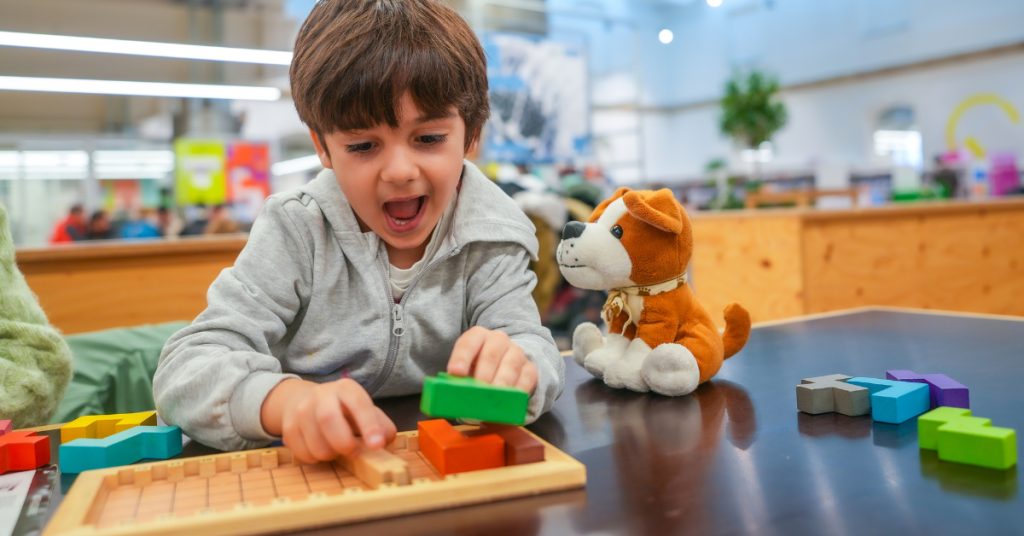
Moving forward, the framework for kids shifts into the analytical stage: Predict. This is where children begin to anticipate the outcomes of their ideas before they act. You might ask, “If we use tape instead of glue, what do you think will happen when the bridge gets heavy?”
Predicting results helps develop critical thinking and decision-making skills by forcing the brain to run a “mental simulation” of the future. This step bridges the gap between pure imagination and practical application.
After the mental simulation comes the most exciting part for most kids: Try. In this stage, kids implement their chosen ideas, gaining hands-on experience and learning through direct experimentation. This is the “lab” phase of childhood. Whether they are testing a new recipe in the kitchen or trying a new line of code in a Scratch project, this tactile engagement cements their learning.
Parents need to step back here; let them fail if necessary, as the act of “trying” is more valuable than the immediate success of the project.
Phase 3: Refine
The final and perhaps most important stage of the 5-step problem-solving framework for kids is to Refine. In our “instant-gratification” culture, many children believe that if something doesn’t work the first time, they aren’t “good at it.” Refining changes that narrative. In this phase, children review, adjust, and improve their solutions, developing resilience, critical thinking, and iterative learning.
You build resilience by”tinkering.” When a child looks at a failed attempt and says, “The tape didn’t hold, so I’ll try a different support beam,” they are practising the same iterative process used by engineers at NASA or software developers in Silicon Valley. This step ensures that they don’t see failure as a stop sign, but as a pivot point. By mastering the art of the “second draft,” they become adults who aren’t afraid of complex, multi-layered challenges.
How to Implement the Framework in Daily Life
To make the 5-step problem-solving framework a natural part of your household, you can apply it to everyday scenarios that occur in North American and European suburbs every day:
- The Missing Homework: Instead of searching for the lost folder yourself, walk them through the steps. Identify (The folder is gone), Brainstorm (Check the bag, under the bed, or call a friend), Predict (If I check the bag first, it’s the fastest), and so on.
- The Coding Bug: If your child is enrolled in a program like EdSofta Academy, they encounter bugs constantly. Encourage them to refine their code rather than starting over.
- The Rainy Day Bore: When plans get cancelled, let them identify the boredom and brainstorm indoor activities that are just as fun as the park.
Conclusion: Raising the Problem-Solvers of 2035

Ultimately, the 5-step problem-solving framework is about teaching children how to think, not what to think. By the time they reach the age of 13, children who have been raised with this framework possess a level of emotional and intellectual independence that sets them apart. They become the leaders, the inventors, and the steady hands in a crisis.
As parents in the US, UK, and Canada, we have access to incredible tools, but the greatest gift we can give our children is the confidence to navigate difficulty.
Start using these five steps today, and watch as your child stops asking for the answer and starts creating the solution.
One Response